WHB Virtual Museum
Loading the museum…
Loading the museum…
Gallery IV: Cabinet of Likenesses
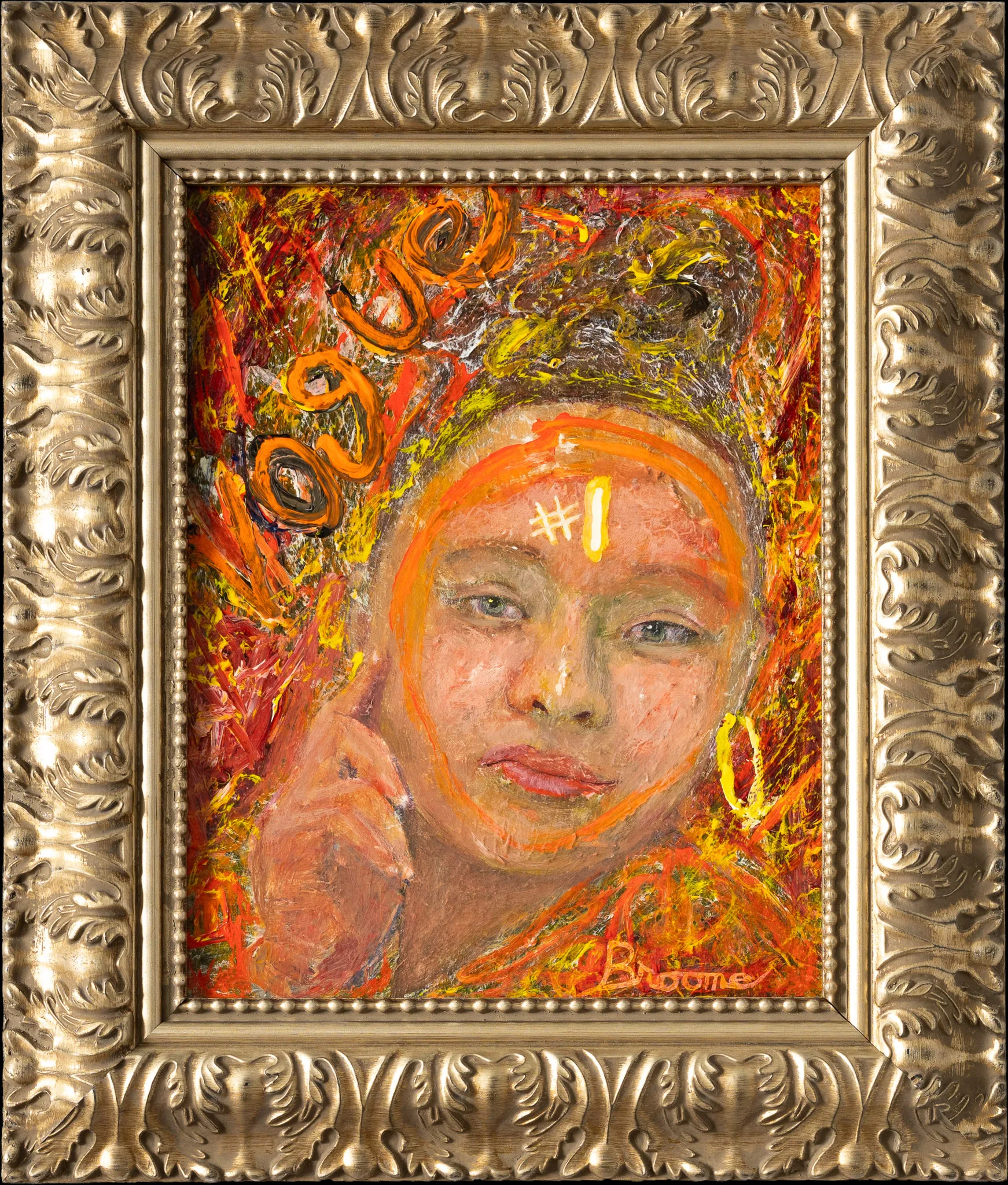
William Henry Broome
Curator’s reflection
Some paintings reveal their subjects immediately. Others ask us to slow down and question what we believe we see.
At first glance, this portrait appears familiar. The expressive brushwork, vibrant palette, and unmistakable visual language belong to William Henry Broome. Yet the face itself resists certainty. Is this another self-portrait, or someone whose presence carried lasting meaning in the artist's life? The softer features, youthful expression, and quiet gaze invite multiple interpretations without settling on any one answer.
Rather than offering identification, Broome seems more interested in exploring recognition itself. The symbolic markings surrounding the figure, together with the intense field of color, suggest that identity is never fixed; it is shaped by memory, emotion, experience, and the stories we tell about ourselves and others.
Perhaps the mystery is intentional. By withholding certainty, the artist shifts the question away from Who is this? Why do we feel the need to know?
Like many works throughout The Broome Collection, this portrait reminds us that some of the most compelling works of art are those that continue asking questions long after we have stepped away.
Looking closer
A moment to reflect
Sometimes the greatest mystery in a portrait is not who we are looking at but why we feel compelled to know. He left more than paintings. He left a life painted in brushstrokes.